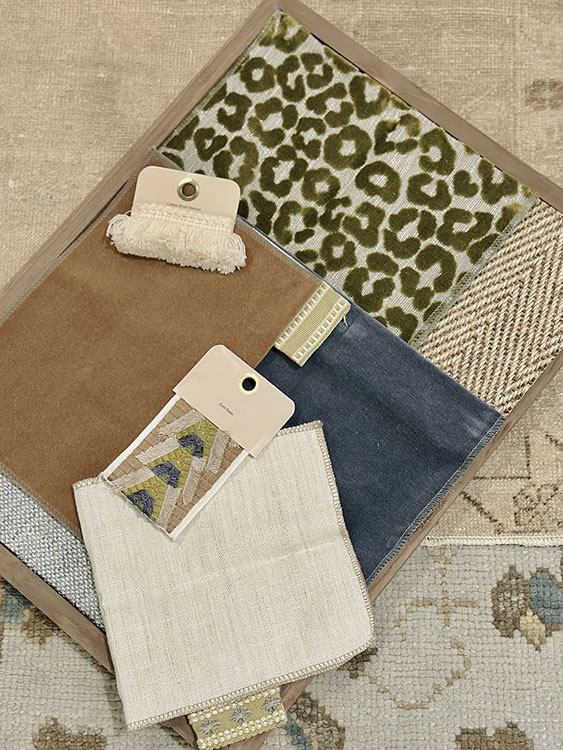
As we’ve stepped into 2026, furniture and color design trends are embracing a convergence of comfort, rich elegance, handcrafted style and tactile textures. This year we are seeing a resurgence of layered texture, mixed with sculptural shape and organic forms that balances earth neutrals with bold accents. Our homeowners and designers are prioritizing pieces that transform everyday spaces into luxurious sanctuaries tell a story – your story. Whether you are refreshing a single room or reimaging and entire home, here are five trends for 2026 that invite you to explore intentional design that feels distinctly personal.
Earthy Moods
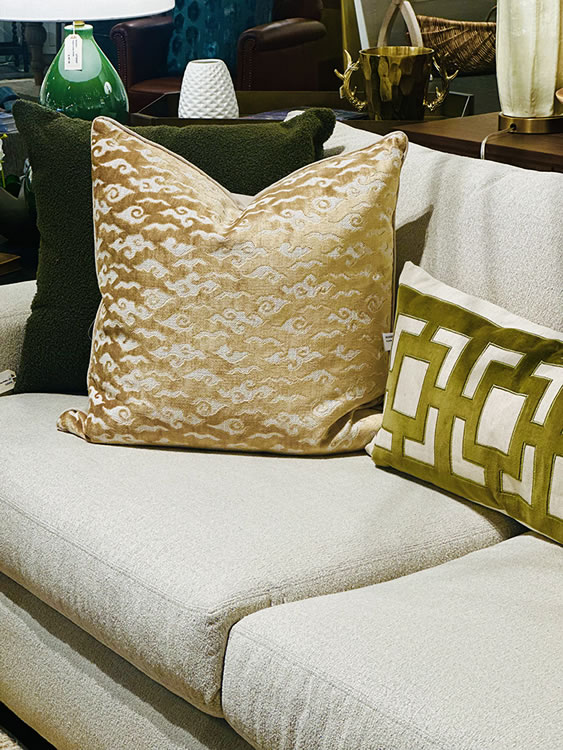
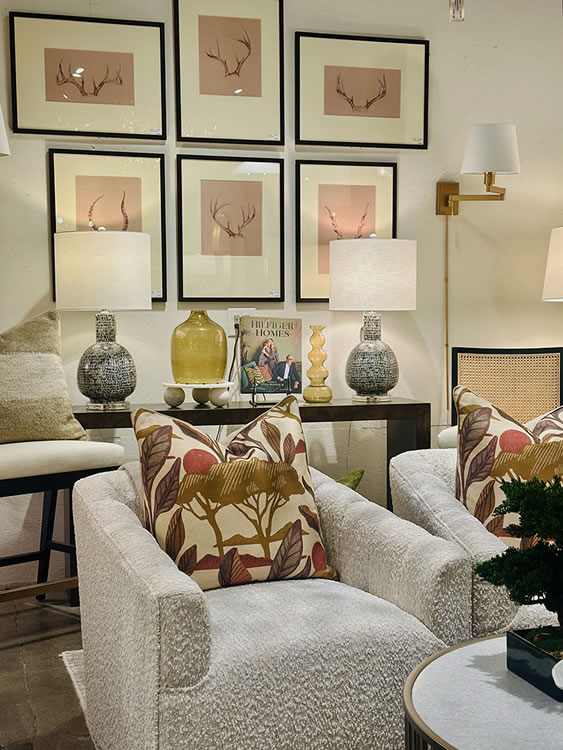
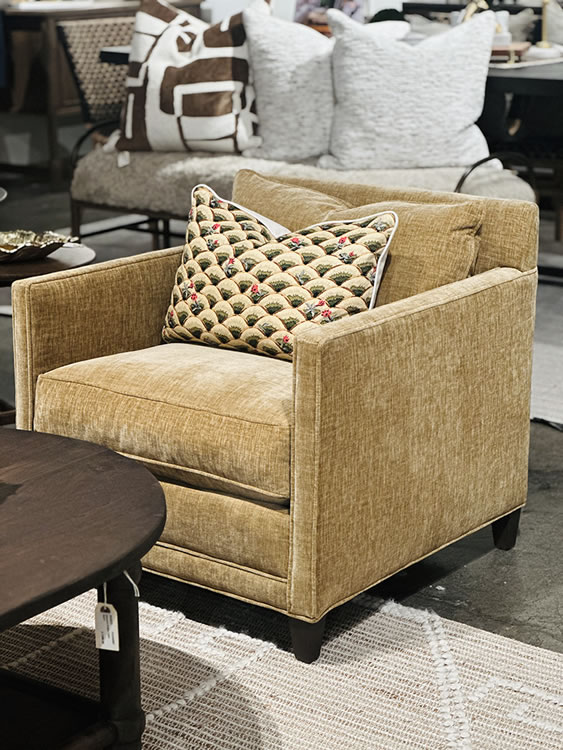
Color trends in 2026 are grounded in warmth, nature and quiet sophistication with chocolates, mochas, olive greens, khaki, cinnamon, ochre balanced with warm linens and ecru tones. Gone are the bright whites, and cool grays. Paint, textiles and upholstery are wrapped in warmth creating interiors that feel organic and deeply livable.
Adding depth and character, these hues emerge as the new accent classics offering that warms without overpowering a room. In 2026, color is less about contrast and more about harmony – tones that age gracefully, layer perfectly and reflect a return to soulful design.
Deep Wood Tones
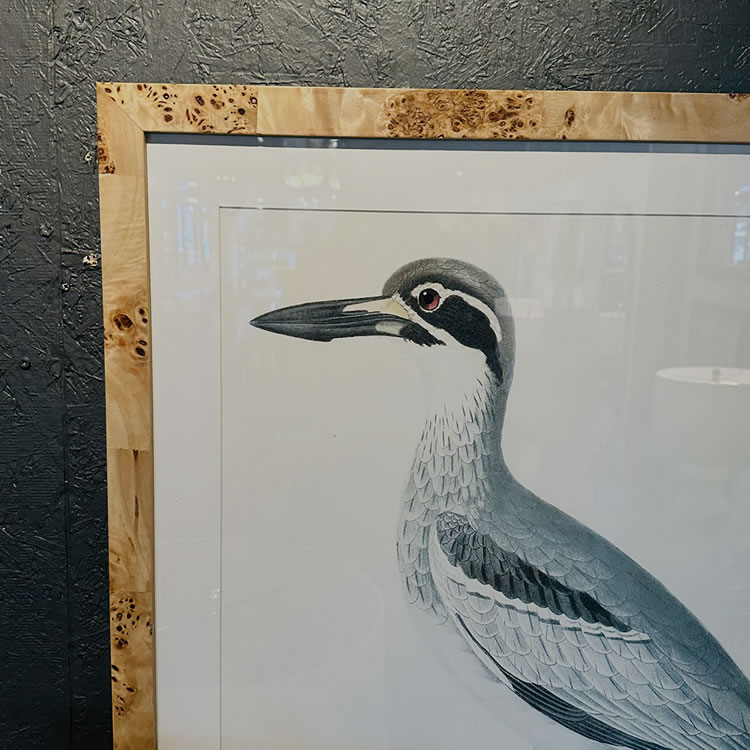
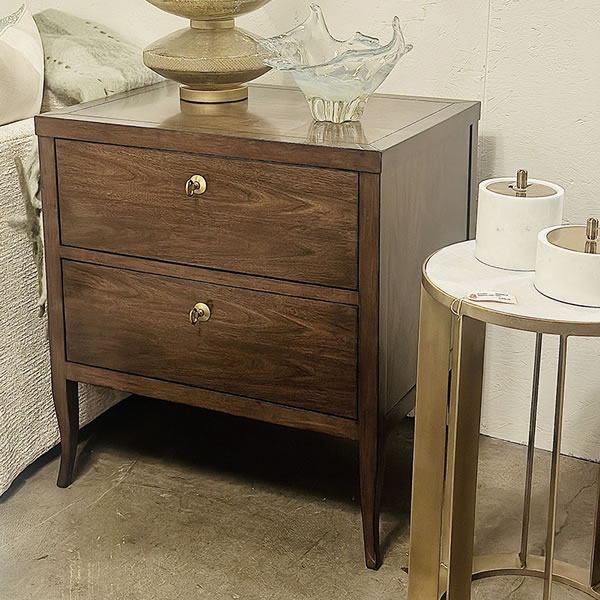
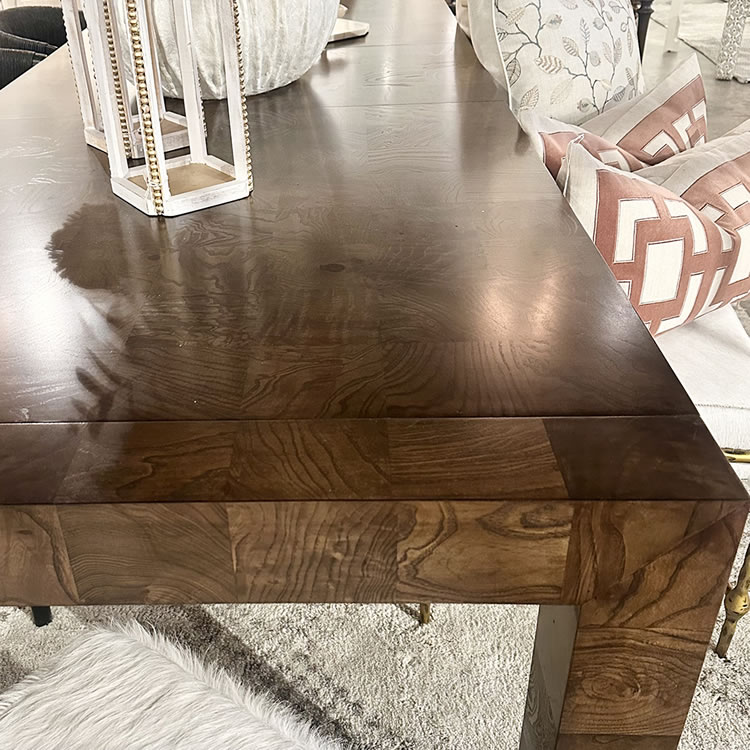
Wood trends in 2026 favor depth, character and natural artistry, with walnut and burl woods taking center stage in interiors. Celebrated for its mottled or swirled grain and rich tonal variation, burl wood brings movement into furnishings while walnut and chocolate hues add warmth, refinement and sophistication. Used across dining tables, case goods, even frames, these woods are often paired with layered stains, mixed finishes like linen or raffia covered pieces – positioning wood not just as a material for the home, but for a defined element in the overall design.
Handmade Goods
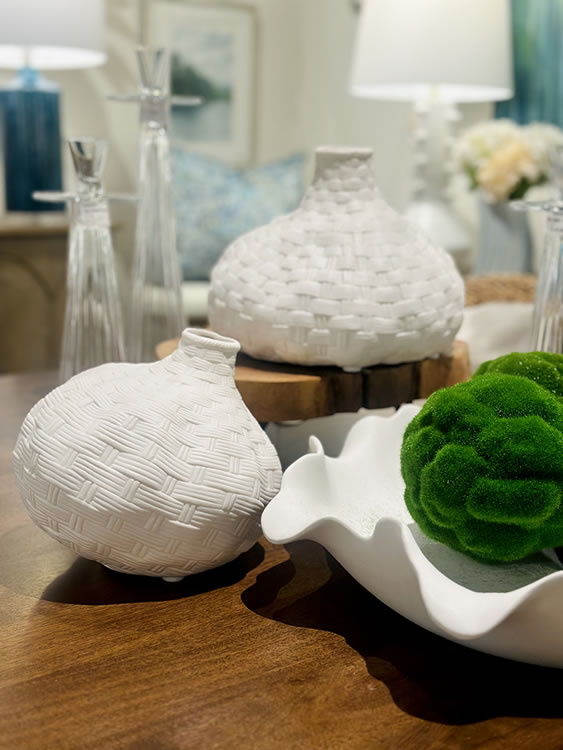
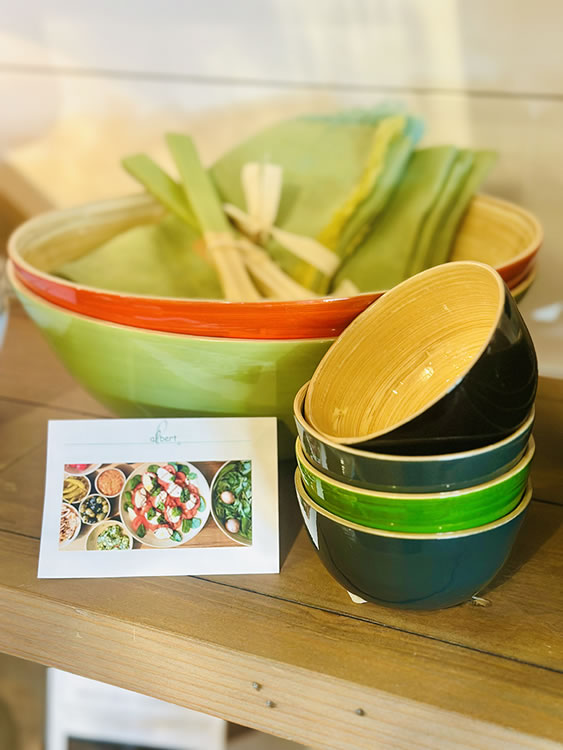
A third key design trend in 2026 centers on a renewed appreciation for handmade goods, superior quality and craftsmanship, as consumers are looking for authenticity. Hand thrown ceramics, artisanal textiles and hand-finishes are celebrated as marks of skill and individuality rather than flaws. This shift toward higher quality manufacturing reflects a desire for fewer, better pieces that honor the maker. Pieces that age beautifully and bring meaning to thoughtfully planned interiors.
Curves and Sculpture
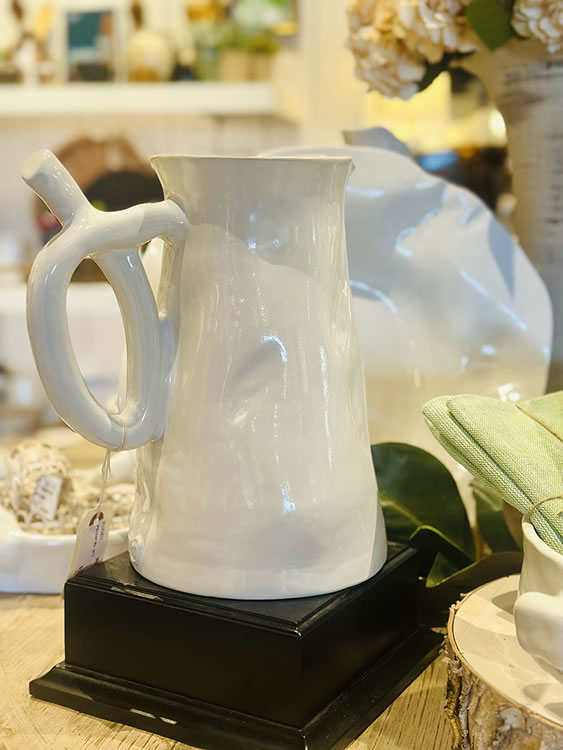
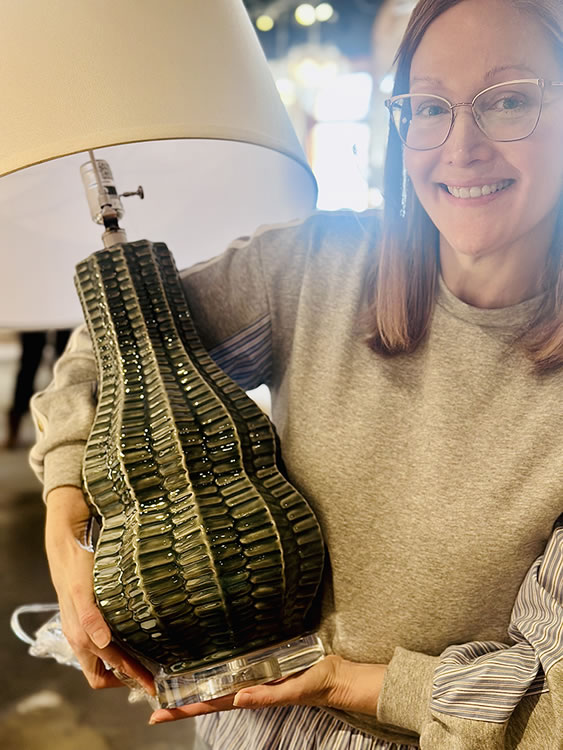
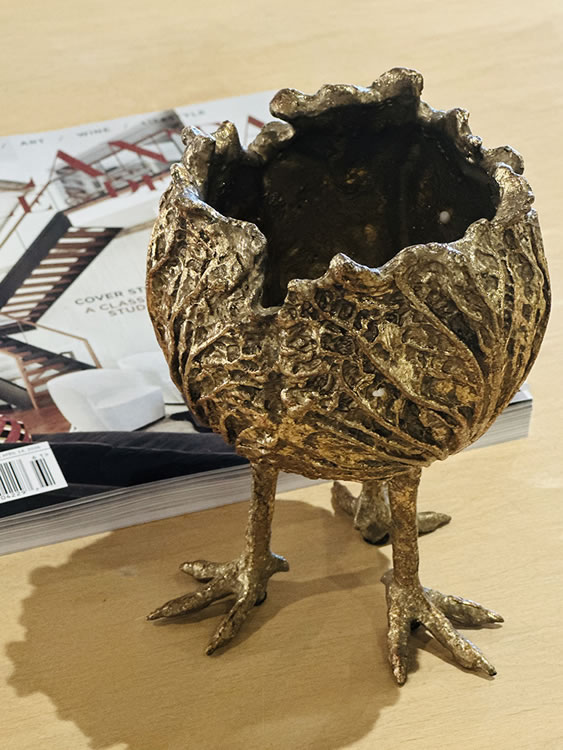
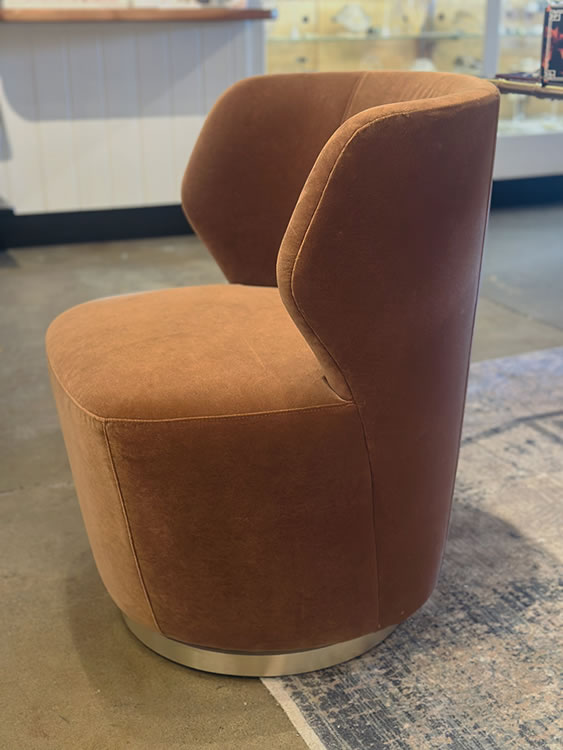
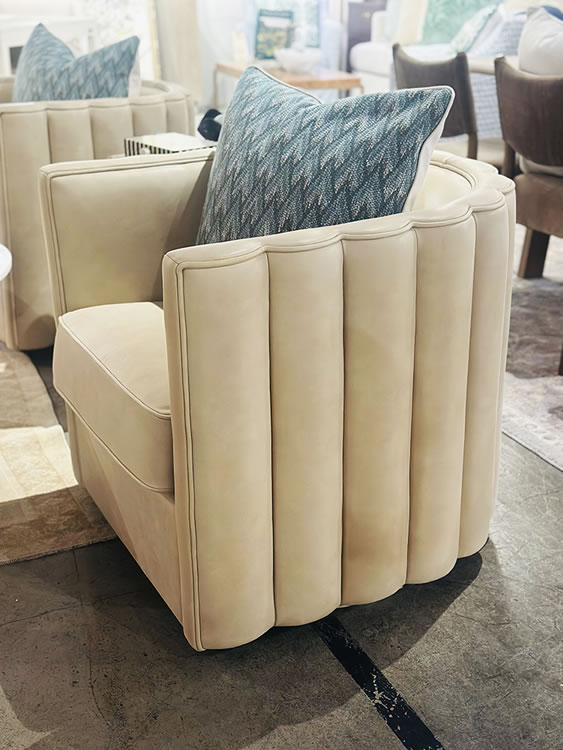
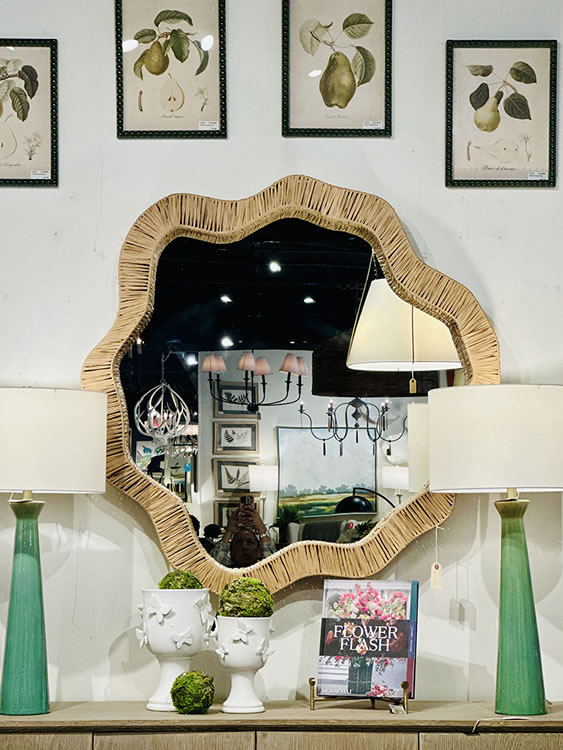
Curves and sculptural forms continue to define a major shift in home decor, moving interiors away from rigid lines toward a softer, more expressive aesthetic. Furniture and accessories are increasingly inspired by organic silhouettes, artistic proportions and hand-formed shapes, blurring the line between functional design and collectible art. From upholstery pieces with rounded edges, to asymmetrical mirrors, statement lighting and unusual vessels, these pieces add the necessary movement and visual intrigue to a space. The emphasis on curvature reflects a broader desire for individuality. Interiors that feel inviting rather than overly structured and staged.
Layered Textiles and Embellishments
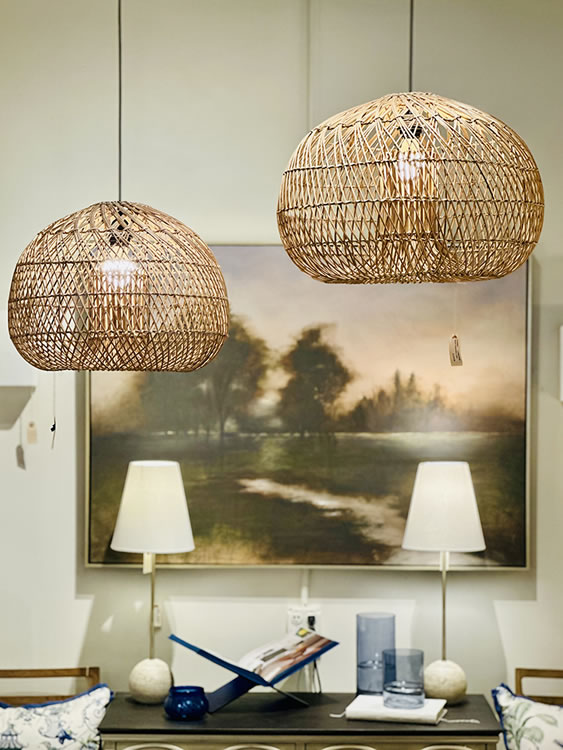
Lastly, we’re highlighting the art of layering textiles for 2026, where depth and comfort take precedence through thoughtful combinations of materials and patterns. Woven tapestries, fringe details, velvets and richly textured fabrics add movement and softness, while vintage rugs ground spaces with history and patina. These layers create interiors that feel collected, warm, expressive, and deeply personal.